
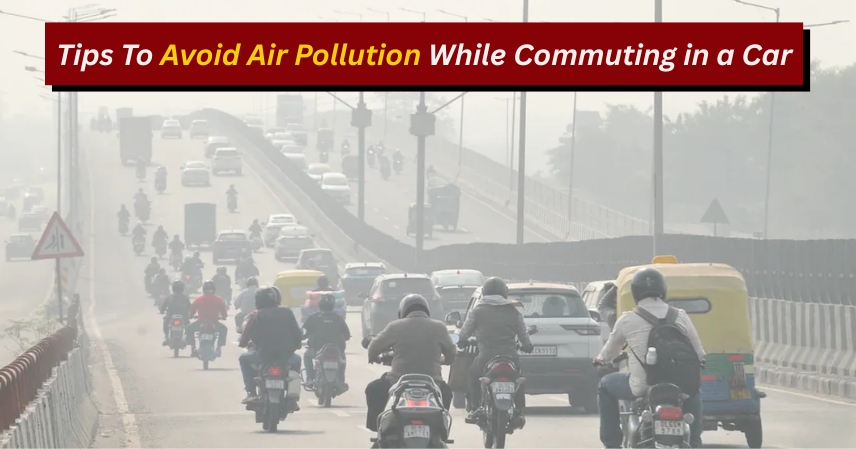
Air pollution is a major concern in many Indian cities, especially during peak traffic hours. Prolonged exposure to polluted air inside your car can have serious health consequences, whether you drive daily for work or travel frequently for business. Fortunately, there are practical, expert-backed steps you can take to significantly improve the air quality inside your car.
Understanding the Impact of Air Pollution Inside Cars
Many believe that simply closing car windows keeps pollution at bay. However, harmful pollutants like PM2.5, dust, smoke, and vehicle exhaust can still infiltrate your car’s cabin. Long-term exposure may result in:
- Difficulty breathing
- Eye and throat irritation
- Headaches
- Fatigue
- Chronic respiratory issues
- Protecting your in-car air quality is essential for your well-being.
Expert-Backed Tips for Cleaner In-Car Air
- Use the Car’s Recirculation Mode Wisely
Expertise:
Recirculation mode prevents outside air from entering, filtering and recirculating existing cabin air for better purity.
When to Use:
- During traffic jams
- In industrial areas
- When following diesel trucks
When Not to Use:
Avoid using it continuously for long periods, as it can reduce oxygen levels inside the vehicle.
Keep Windows Closed in High-Pollution Areas
Experience:
- Opening windows allows dust, PM2.5, and smoke inside. Pollution is often worse during:
- Morning and evening rush hours
- Winter smog
- Severe traffic congestion
Tip:Only open windows briefly and in low-pollution areas when needed.
Regularly Clean and Replace Cabin Air Filters
Authority:
The cabin air filter is crucial for blocking PM2.5, dust, pollen, smoke, and harmful chemicals.
Best Practices:
- Change filters every 10,000–12,000 km
- Opt for HEPA cabin filters for superior filtration
- Clean filters at every service
- Choose cars with advanced filtration systems if possible
Install a Quality Car Air Purifier
Many new vehicles feature built-in air purifiers, but aftermarket options are available.
Benefits:
- Removes PM10 and PM2.5
- Filters out harmful gases
- Reduces unpleasant odors
- Improves air circulation
Recommendation:
Choose purifiers equipped with HEPA and activated carbon filters for optimal results.
Avoid High-Traffic Roads When Possible
Pollution is highest in stop-and-go traffic.
Tools:
- Use Google Maps air quality layers
- Refer to MapMyIndia pollution updates
- Monitor AQI with relevant apps
Tip:
- Commute early in the morning
- Select alternative, cleaner routes
- Prefer less congested roads
Keep the Car Interior Clean
A dusty interior increases airborne particles.
Advice:
- Vacuum weekly
- Wipe down dashboard and upholstery
- Avoid smoking inside
- Remove dust-collecting items like old covers
Use Weather Strips and Sunshades
Gaps around doors and windows can let in pollutants.
Benefits:
- Reduce dust, heat, noise, and micro-pollutants
- Improve air conditioning efficiency
Choose Pollution-Fighting Car Fresheners Carefully
Chemical-based fresheners can worsen air quality by releasing VOCs.
Natural Alternatives:
- Activated charcoal pouches
- Gel-based purifiers
- Alcohol-free essential oil diffusers
Maintain Distance from Heavy Diesel Vehicles
Older diesel vehicles emit more particulates. Driving closely behind them increases exposure to exhaust.
Tip:Keep a safe distance when possible.
Don’t Idle in Enclosed Spaces
Leaving your engine running in enclosed areas increases carbon monoxide levels, which can be dangerous.
Avoid:
- Basements
- Closed garages
- Tunnels
- Walled areas with poor ventilation
Monitor In-Car Air Quality
Portable AQI monitors can track real-time pollution inside your car.
Uses:
- Detect sudden pollution spikes
- Know when to use air purifiers
- Decide between outside air and recirculation modes
Final Thoughts
While complete avoidance of air pollution during commutes isn’t possible, adopting these habits can drastically improve your in-car air quality. Prioritize your health by maintaining your vehicle, using its features effectively, and making informed route choices. Cleaner, safer air is achievable every time you drive.
FAQs
Yes. It helps keep dust, smoke, and PM2.5 out of the cabin.
It’s generally safe, but prolonged use can lower oxygen levels. Use it judiciously.
Yes, especially those with HEPA filters. They remove PM2.5, odors, and harmful gases.
Every 10,000–12,000 km, or as recommended by your vehicle manufacturer.
Chemical-based air fresheners release VOCs and can lower air quality. Opt for natural alternatives.